Selected enterprise work

Retail Vision MappingVision Mapping

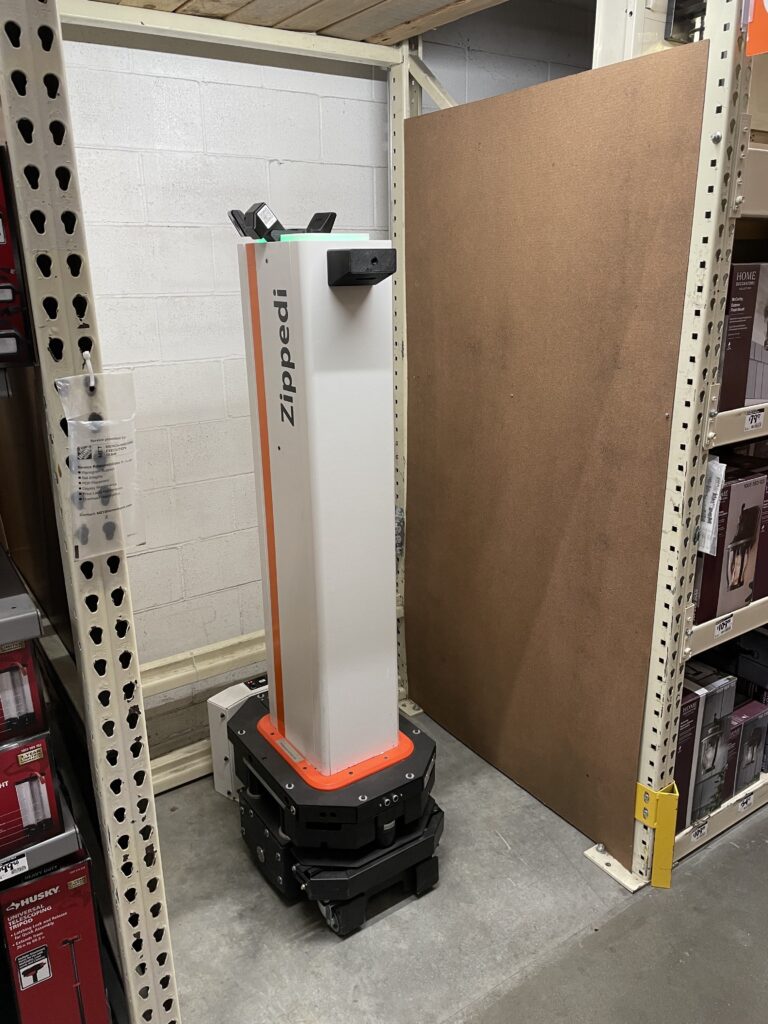
The Home Depot | Zippedi integration

I developed the integration and analysis layer that combined Zippedi shelf imagery and robot-location data with The Home Depot's store layouts and planograms. The system placed each observation within the correct aisle, bay, shelf, and planogram context, then produced usable information about product placement, labeling, stock availability, and discrepancies.

Enterprise integrationSpatial data matchingRetail roboticsComputer visionImage analysisPlanogram data
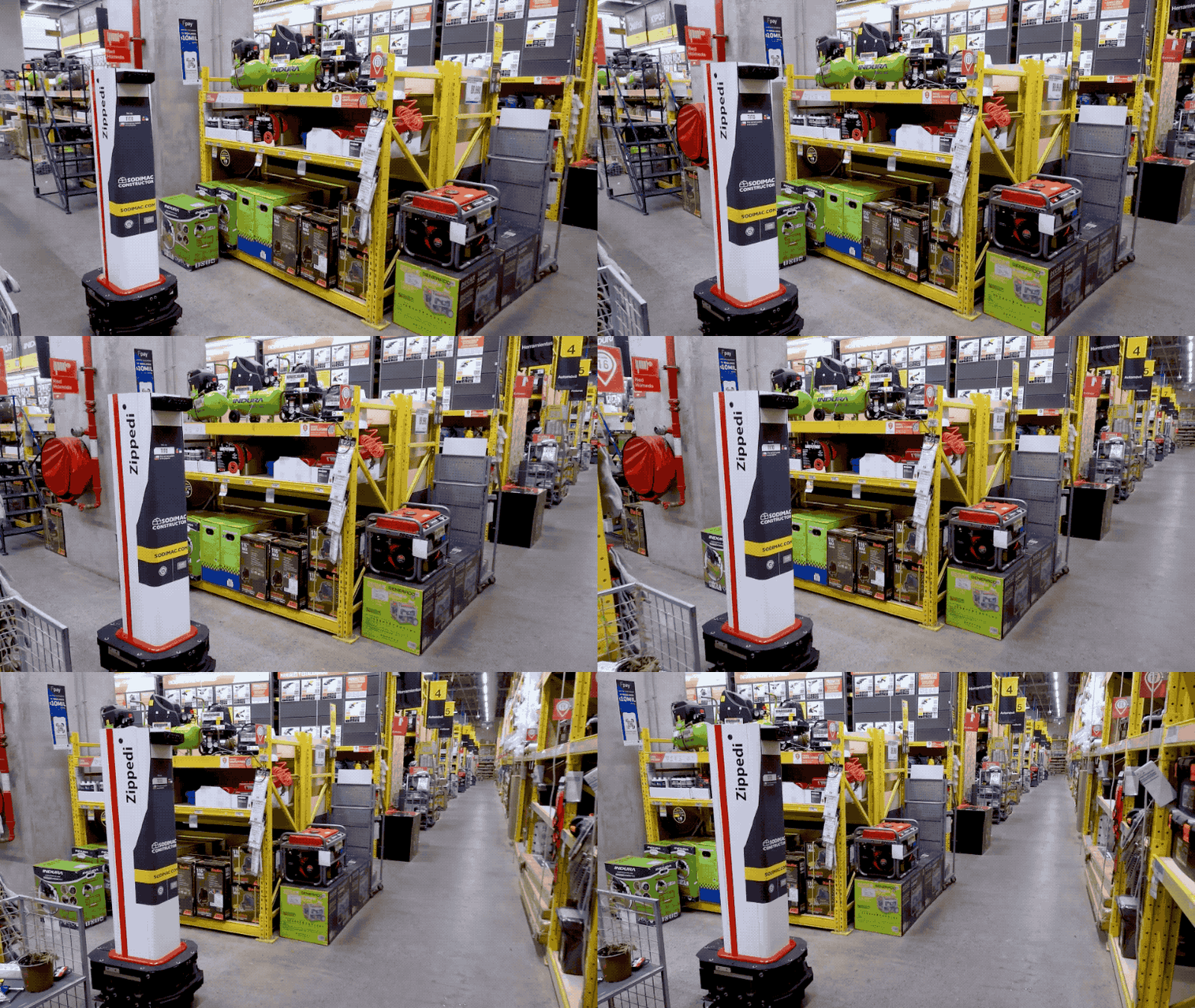
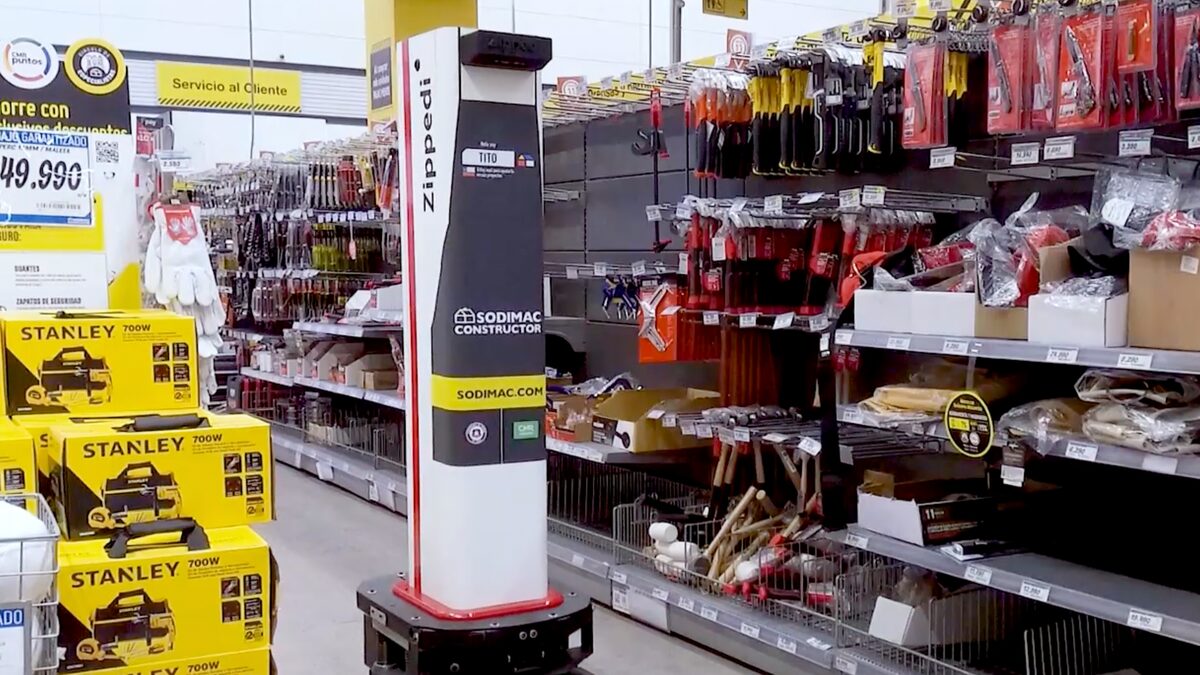
Shelf imageryHigh-resolution shelf and product images from Zippedi robots, paired with the robot's location in the store
Planogram dataStore layout and merchandising expectations by aisle, bay, shelf, vertical position, label, and product
My workMatch, analyze, and reconcile Match robot observations to the corresponding store and planogram context, then evaluate product placement, labeling, availability, and discrepancies
OutputActionable shelf intelligence Usable information about shelf condition, label matches, product placement, stock availability, and detected discrepancies

A shelf image only became useful once it could be located and understood.

Zippedi supplied shelf imagery and the robot's location. The Home Depot's store-layout data described the aisle, bay, and shelf, while planogram data described the labels and products expected at each position. Those representations did not identify the same physical shelf in the same way.

The challenge was to reconcile robot observations with the corresponding store and planogram context. Only then could an image describe the state of a real shelf.

From robot location to actionable shelf intelligence.

  • Matched robot observations to the corresponding aisle, bay, shelf, and planogram context.
  • Evaluated product placement, labeling, availability, and discrepancies.
  • Converted matched observations into usable shelf intelligence.

Why shelf-scanning robotics matters.

Zippedi’s autonomous robot goes up and down every aisle in a retail store and looks at every product. It can look at tens of thousands of different products and hundreds of thousands of individual products every day. Zippedi makes sure that every product is in stock, in the right place, and correctly labeled. This makes in person shoppers happier because they get everything they came to the store to get, and online shoppers are happier also because everything they order is delivered without omissions or substitutions.
Zippedi press release, PR.com
The company utilizes an inventory robot to keep tabs of what’s on shelves, creating a “digital twin” online. When someone orders something for, say, DoorDash, a shopper knows not only what is on the shelf, but where to find it. The system can both offer direction to items and provide a prioritized shopping list, so they can be in and out as quickly as possible. It’s easy to see how the company could incorporate AR in the future (and that’s on the roadmap), but we’re getting ahead of ourselves a bit here.
Brian Heater, TechCrunch

Enterprise work, responsibly presented.

The Home Depot and related product names are trademarks of their respective owners. This independent portfolio is not affiliated with or endorsed by The Home Depot. The description reflects my personal work experience and excludes source code, proprietary specifications, nonpublic metrics, customer information, and operational procedures. The diagrams are conceptual and also omit internal architecture, store data, and implementation details.